

Can a Pregnant Woman Eat Fish Maw?
Navigating Nutrition During Pregnancy
Pregnancy is a time of immense change and, for many, a renewed focus on nutrition. Every bite seems to come with a question mark, and traditional delicacies like fish maw often spark curiosity. If you’re an expectant mother wondering, “Can a pregnant woman eat fish maw?”, you’ve come to the right place. Let’s dive into the nutritional aspects and considerations for including this unique ingredient in your pregnancy diet.
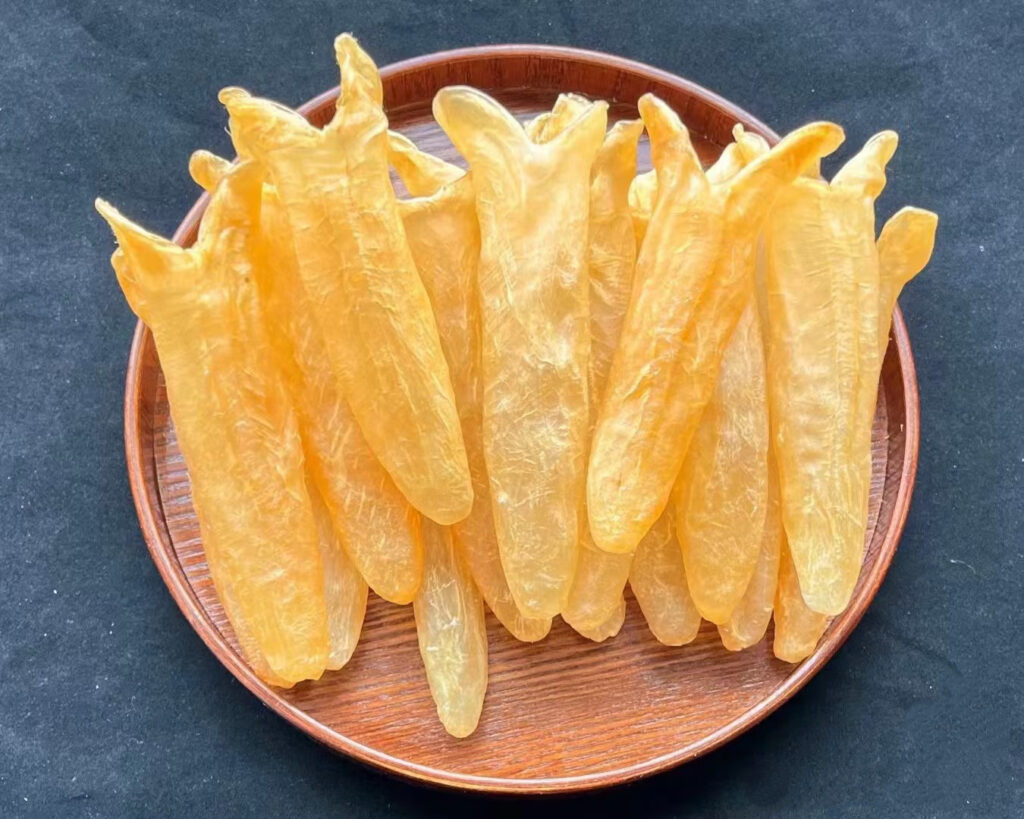
What is Fish Maw?
For those unfamiliar, fish maw is the dried swim bladder of certain large fish. In many Asian cultures, particularly in Malaysia and other parts of Southeast Asia, it’s highly prized for its unique texture and perceived health benefits, often incorporated into soups and stews. It’s known for being rich in collagen, which is often associated with skin health.
Nutritional Benefits of Fish Maw
When considering fish maw for pregnant women, it’s helpful to look at its nutritional profile:
- Collagen: This is the primary component of fish maw. While collagen is vital for skin elasticity and joint health, during pregnancy, the focus is more on adequate protein intake for fetal development.
- Protein: Fish maw does contain protein, which is crucial for the growth and development of your baby’s tissues and organs.
- Minerals: Depending on the type of fish and processing, fish maw might contain trace amounts of minerals.
Is Fish Maw Safe for Pregnant Women?

Pregnant women can generally consume fish maw in moderation, but it should be tailored to individual physical conditions and the specific stage of pregnancy. Fish maw is rich in high-quality collagen, protein, and various amino acids, which help boost physical strength, nourish the body, and improve skin elasticity. For women who require extra nutrition during pregnancy, it can be a beneficial tonic.
However, a few precautions should be noted:
Consume in moderation: Fish maw is nourishing but may be rich and heavy. Pregnant women with weaker digestion may find it hard to absorb, so it’s advisable to start with a small amount and monitor the body’s response.
Choose high-quality ingredients: Ensure the fish maw is fresh, odorless, and free from additives.
Avoid sensitive periods: During the first trimester (the first three months), it’s best to stick to lighter foods. As fish maw is considered a warming tonic, it may not be suitable for those with a “heat-prone” constitution or those experiencing morning sickness.
Be cautious with ingredient pairings: Avoid ingredients that promote blood circulation (such as Ligusticum wallichii 川芎 or Angelica 当归). Instead, pair with milder ingredients like red dates, snow fungus, or lotus seeds.
Recommended Consumption of Fish Maw for Pregnant Women
It is generally advised that pregnant women consume fish maw once or twice a week, with each serving containing approximately 50–100 grams of dried fish maw after stewing (about one small bowl). This amount provides nutritional benefits without being overly rich or causing discomfort. Fish maw is considered a warming and nourishing ingredient, rich in collagen and protein, which can help strengthen the body, support fetal development, and enhance skin health. However, excessive intake may lead to indigestion or internal heat.

Consumption Recommendations by Pregnancy Stage:
- First Trimester (Weeks 1–12): It is recommended to consume with caution or avoid entirely, as the fetus is still unstable and the mother’s appetite may fluctuate. Fish maw is relatively rich and may cause discomfort during this sensitive period.
- Second Trimester (Weeks 13–27): Moderate consumption can begin, ideally once a week. Pairing with gentle ingredients like red dates and lotus seeds is most suitable.
- Third Trimester (Week 28 onwards): As nutritional needs increase and the body becomes more adaptable, consumption can be gradually increased to twice a week. This may help boost immunity and reduce fatigue.
When preparing fish maw, it is best to keep it low-sugar or sugar-free, and avoid adding cooling or blood-activating ingredients. Those with gestational diabetes, heat-prone body types, or specific medical advice should refrain from consumption or follow a doctor’s guidance.
The guiding principle for nourishment during pregnancy is safety, gentleness, and moderation.
Important Considerations for Malaysian Mothers-to-Be
In Malaysia, fish maw is a common ingredient. When sourcing, especially in local markets, always prioritize freshness and reputable sellers. While traditional beliefs often praise fish maw for its benefits during pregnancy and postpartum, always cross-reference with modern nutritional advice.
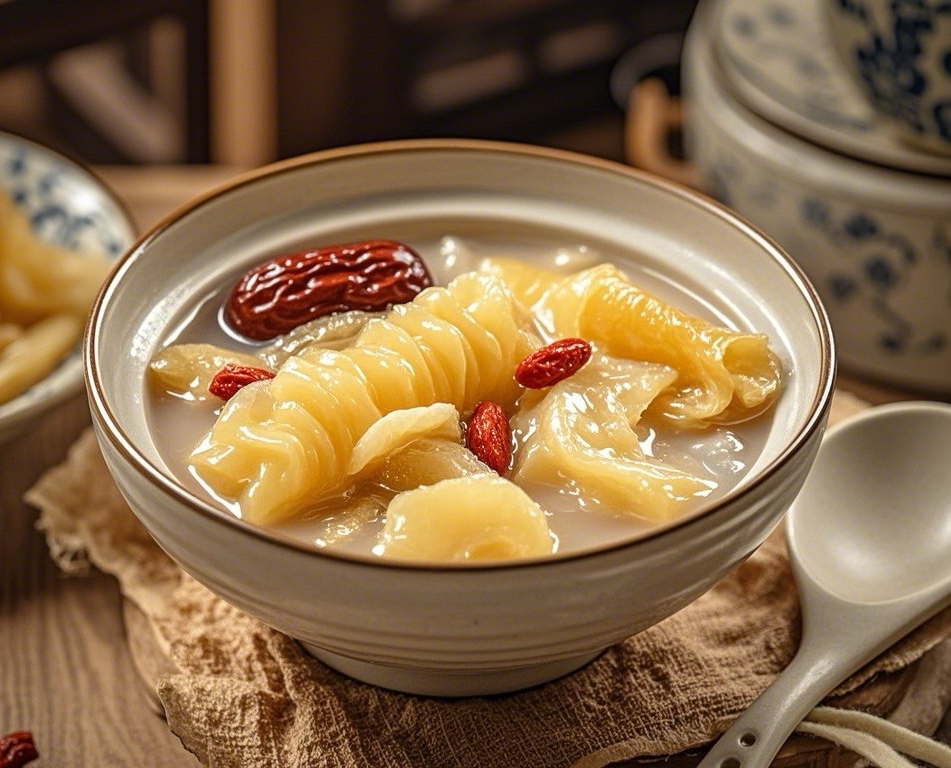
As long as it’s sourced responsibly, thoroughly cleaned, properly cooked, and consumed in moderation, fish maw can be a safe and even nutritious addition to a pregnant woman’s diet. It offers protein and the benefits of collagen.
However, always remember to consult with your doctor or a registered dietitian before making significant changes to your pregnancy diet. They can provide personalized advice based on your individual health needs and the specifics of your pregnancy.
Enjoy your pregnancy journey, and nourish yourself and your baby with a well-rounded and safe diet!
